Expressing Breastmilk: A practical and supportive guide
Many families I support will express breast milk at some point in their feeding journey.
This might be to:
- Increase milk supply
- Support a baby who is not yet feeding effectively at the breast
- Protect weight gain while breastfeeding skills develop
- Allow someone else to help with feeds
- Create flexibility around rest, appointments, or returning to work
There is no one “right” way to express—what matters is finding something that works for you and your baby.
Boosting milk supply through expressing:
If your goal is to increase supply, regular stimulation is key.
Gold standard guidance:
- 10–15 minutes per session
- 8–10 times in 24 hours
That said—this can feel like a lot!
To make this more manageable:
- Try expressing while breastfeeding
- Or during skin-to-skin time
- Pair it with something you’re already doing (watching TV, resting, scrolling)
Little and often tends to be more effective—and more sustainable—than long, infrequent sessions.
Power pumping (short term boost)
Power pumping is a technique sometimes used to mimic cluster feeding and encourage an increase in milk supply.
It involves a pattern of pumping and resting over around an hour:
- Pump for 20 minutes
- Rest for 10 minutes
- Pump for 10 minutes
- Rest for 10 minutes
- Pump for 10 minutes
This is usually done once per day for around a week.
A few important things to keep in mind:
- This is a short-term strategy, not something you need to continue long-term
- You may not see much milk during the session itself—that’s okay, it’s about stimulation rather than volume
- Try to do it at a time of day that feels manageable and least stressful
Making expressing work for you
Expressing doesn’t need to feel clinical or stressful. Small adjustments can make a big difference.
Create a calm environment
Your hormones play a huge role in milk flow.
You might find it helpful to:
- Sit somewhere comfortable and supported
- Use cushions to relax your shoulders and arms
- Listen to music or a meditation
- Use warmth or gentle breast massage beforehand
Support your milk ejection reflex ‘let down’
Before and during expressing:
- Gently massage your breasts
- Use warmth (a warm compress or shower)
- Think about your baby, or have photos/videos/ baby clothes nearby
These can all help stimulate your oxytocin reflex, which supports milk flow.
Breast compressions (a clever little trick)
While expressing (or breastfeeding), gently compressing your breast can help:
- Increase milk flow
- Fully drain the breast
- Make sessions more efficient
- Increase milk volume
Different ways to express
There are lots of options available—what works best will depend on your goals, comfort, and lifestyle.
Hand expressing

A really useful skill for all parents to learn:
It can be especially helpful:
- In the early days
- For small amounts of colostrum
- When you don’t have a pump available
- For relieving fullness or discomfort
Manual pumps
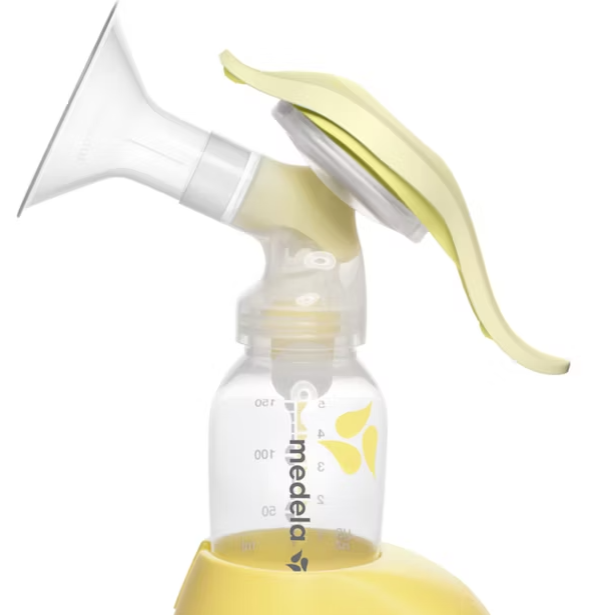
Hand-operated pumps that give you full control over rhythm and pressure.
They can be:
- Portable
- Affordable
- A good option for occasional expressing
Electric pumps (single or double)

These are often used when expressing more regularly.
WHO compliant brands include Medela, Spectra, Momacozy
- Single pumps: express from one breast at a time, (perhaps whilst feeding on the other)
- Double pumps: express both breasts together (can boost supply)
Hands- free pumps
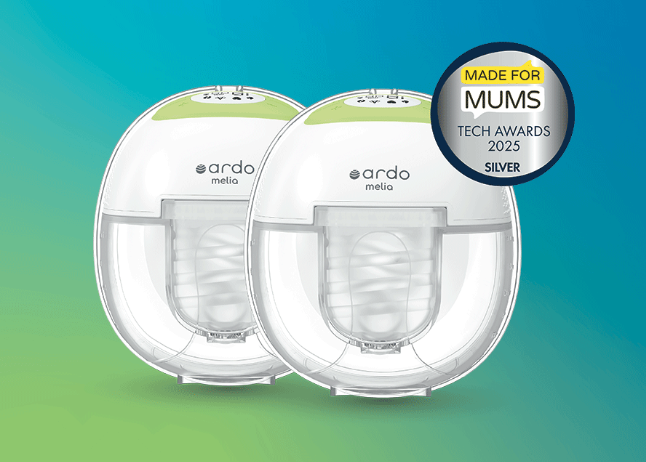
Worn inside your bra, allowing you to move around while expressing. I’ve even had women drive to my clinic whilst wearing these!
Brands include Ardo and Elvie
They can be helpful if:
- You are expressing frequently
- You need more flexibility
- You are balancing expressing with caring for your baby or other children
- You would find it easier to relax with not being able to see the pump
Silicone collectors
Brands like Haakaa

Whilst not technically a pump which will stimulate your milk production, these are very effective at collecting milk from the ducts using gentle suction.
They are often used:
- On the opposite breast while feeding
- To collect a ‘let-down’
- For small, passive amounts of milk, with no effort!
Find the right fit!
Pump comfort and effectiveness can vary hugely.
Things to consider:
- Flange size matters – a better fit can improve both comfort and output
- Some people respond better to larger or smaller sizes
- It’s okay to experiment and adjust
What to do with your expressed milk
You can use your milk in a way that reduces pressure on you:
- Give it fresh straight after expressing
- Collect milk across the day to make a full bottle
- Use milk from a previous session so you’re not relying on immediate output
Milk storage guidelines
- Up to 6 hours at room temperature
- Up to 6 days in the fridge
- Up to 6 months in the freezer
You don’t need to sterilise pump parts after every use—many families choose to sterilise once per day.
How to keep this manageable
Finding the balance is key! If you are expressing alongside breastfeeding (for example, as part of a triple feeding plan), it can feel like a lot.
Please remember:
- This is often a short-term strategy
- It’s okay to adapt the plan to protect your wellbeing
- Rest, nutrition, and support matter too
Emotional support matters too:
Expressing can sometimes feel isolating or relentless.
You may find it helpful to:
- Connect with other parents
- Attend local baby or feeding groups
- Access breastfeeding support services
You are not expected to do this alone.
Remember…
You are doing an incredible job!
Whether you are expressing occasionally or many times a day, every drop of milk and every bit of effort counts.